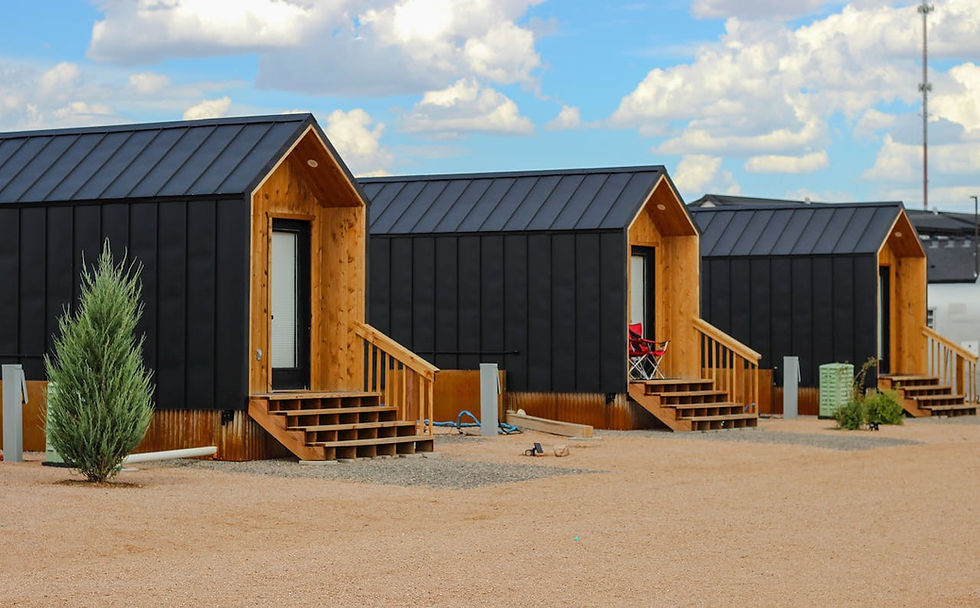
Design Moves That Maximize Value in Custom Prefab ADUs
- 6 days ago
- 5 min read
Smart Design Choices That Elevate Your ADU Investment
Custom prefab ADUs are getting a lot of attention across California, especially as homeowners plan projects ahead of the busy summer building season. A backyard unit is no longer just “extra space.” Done right, it can support long-term rental income, boost property value, and add real comfort for family or guests.
The key is design. The square footage, the finishes, and even the way the doors swing all work together to shape how people feel in the space. Thoughtful choices often cost the same as average ones, but they show up in appraisals, rental photos, and daily life.
In this guide, we are sharing practical, design-first moves we use when planning a custom prefab ADU. Our goal is to help you focus on smart decisions, while a turnkey partner handles things like permits, engineering, and rapid-build delivery in the background.
Floor Plans That Live Bigger Than Their Square Footage
A compact ADU can feel open and generous when the floor plan works hard. We like to start by looking at how people will move through the space day to day.
Smart layout moves include:
Open living and kitchen areas that share light and views
Short, direct paths instead of long hallways
Multi-use rooms that can shift as life changes
Open-concept spaces make a small footprint feel wide and social. When you cut out long corridors and awkward corners, more of the square footage becomes true living area. A living room that can also hold a sleeper sofa or a nook that works as a desk turns into extra value for guests, renters, or remote work.
Daylight is another big factor. When windows and glass doors line up across the home, your eye reads the full depth of the room and out into the yard. We often like:
Large sliders or French doors to patios
Aligned windows that create clear sightlines
Transom or clerestory windows for light with privacy
These choices help the ADU feel bright during long summer days and reduce the need for lights during daytime hours. Good daylight can also support a calmer, healthier feeling inside.
Right-sizing rooms matters too. Bedrooms can stay comfortable with enough width for a bed, side tables, and walking space, rather than oversized square footage. Bathrooms can stay compact with smart layouts and pocket doors. Built-in storage in closets, benches, and media walls keeps clutter off the floor, so smaller rooms still show as spacious and organized. The best part is that many of these planning decisions do not add cost but dramatically improve livability and perceived value.
Material Choices That Balance Durability and Design
Once the layout works, finishes and materials help protect your investment over time. In California, sun, dry conditions, and occasional heavy rain all play a role.
For the exterior, we suggest:
Weather-resistant siding that holds up well over years
Roofing that manages heat and sun exposure
Durable decking and outdoor surfaces that tolerate frequent use
Inside kitchens and baths, moisture-resistant surfaces help avoid warping, staining, and early replacement. Tile, quality shower surrounds, and cabinets made for humid spaces can handle daily use much better than budget picks.
Not every surface needs to be top-of-the-line, but some areas are worth the upgrade:
Kitchen cabinets and hardware
Countertops in kitchens and baths
Plumbing fixtures you see and touch every day
Flooring in living spaces and bedrooms
These are the details renters and buyers notice first. A well-finished kitchen and bath can support stronger rental interest, better listing photos, and more favorable comparisons when appraisers look at other homes nearby.
To keep the look timeless, we often suggest neutral, modern palettes: warm whites, soft grays, gentle wood tones, and matte metal accents. Instead of chasing fast trends, we layer texture through wood, tile patterns, and fabrics. This helps the ADU appeal to many different future occupants and makes it easy to style for long-term rental, short-term stays, or extended family.
Energy-Smart Features That Pay You Back
Energy-smart design should start on day one, not as an afterthought. Prefab construction can support tight building envelopes and consistent quality, which can be an advantage for comfort and efficiency.
When planning a custom prefab ADU, it helps to:
Think about insulation and air sealing early
Meet or exceed current California energy code
Consider the orientation of the building on the lot
Positioning the ADU to work with the sun matters. Good shading on the brightest sides, along with windows placed for cross-breezes, can support comfortable interiors without depending only on mechanical systems.
For systems and tech, we often look to:
Heat pump HVAC units that both heat and cool
High-performance windows that manage heat gain
Induction cooktops for safer, efficient cooking
Smart thermostats, lighting, and locks
These upgrades can appeal to tech-friendly renters and remote hosts, while also helping control utility use. Over time, that can make the unit more attractive for both an owner-occupant and any future buyer.
Solar readiness and EV readiness are also smart long-term plays. Even if panels or a charger are added later, running conduit and planning panel capacity from the start makes life easier. In many parts of California, there may be utility programs or financing options focused on energy-efficient properties, which can support the overall value story of your ADU. Climate-conscious buyers often look for these features when comparing homes.
Outdoor Living, Privacy, and Flexible Customization
In a backyard unit, the space between the main home and the ADU is just as important as the interiors. Privacy, comfort, and outdoor living all shape how the unit feels to anyone staying there.
We like to plan:
Separate entries that feel private and clear
Window placement that avoids direct views into each home
Landscape elements like fencing, hedges, and trellises
These moves help everyone feel like they have their own space. A guest, renter, or family member can come and go without feeling watched or in the way.
Outdoor living turns a compact footprint into something that feels much larger. A small deck off the living room, a shaded patio, or a built-in bench along a fence line can all extend the living area. Large sliders or French doors that open wide blur the line between inside and out, which is especially nice when days are long and people want to spend more time outside.
For landscaping, low-maintenance is usually best:
Drought-tolerant plants that do well with less water
Drip irrigation to keep things simple
Gravel, pavers, or simple concrete for clean, usable paths
Thoughtful outdoor lighting for safety and ambiance
These details look great in rental photos and support stronger reviews from guests or tenants.
Customization inside the ADU should also keep future flexibility in mind. Many homeowners plan for one use now and a different one later. Maybe the unit starts as a short-term rental, then becomes an aging-in-place suite, or a long-term home office.
To keep options open, we often suggest:
Wide doorways and minimal steps where possible
Curbless showers and thoughtful bathroom layouts
Built-in storage, Murphy beds, and integrated desks
Concealed storage helps the space look calm and clean when it is photographed or appraised. Multi-use built-ins, like benches with drawers or media walls with shelving, set the unit apart from generic backyard cottages.
Planning utilities for future updates also matters. Accessible plumbing chases, well-placed electrical panels, extra outlets, and data lines in smart locations make it easier to adapt the ADU as tech and work patterns change. Thoughtful prefab design and engineering can anticipate many of these needs from the start so your custom prefab ADU stays useful and valuable for a long time.
Get Started With Your Project Today
If you are ready to add more livable space and long-term value to your property, our team at FormX is here to help you plan a custom prefab ADU that fits your goals, budget, and timeline. We will guide you through design, permitting, and construction so you know exactly what to expect at each step. To discuss your ideas, ask questions, or request a detailed estimate, simply contact us and we will follow up with clear next steps.